
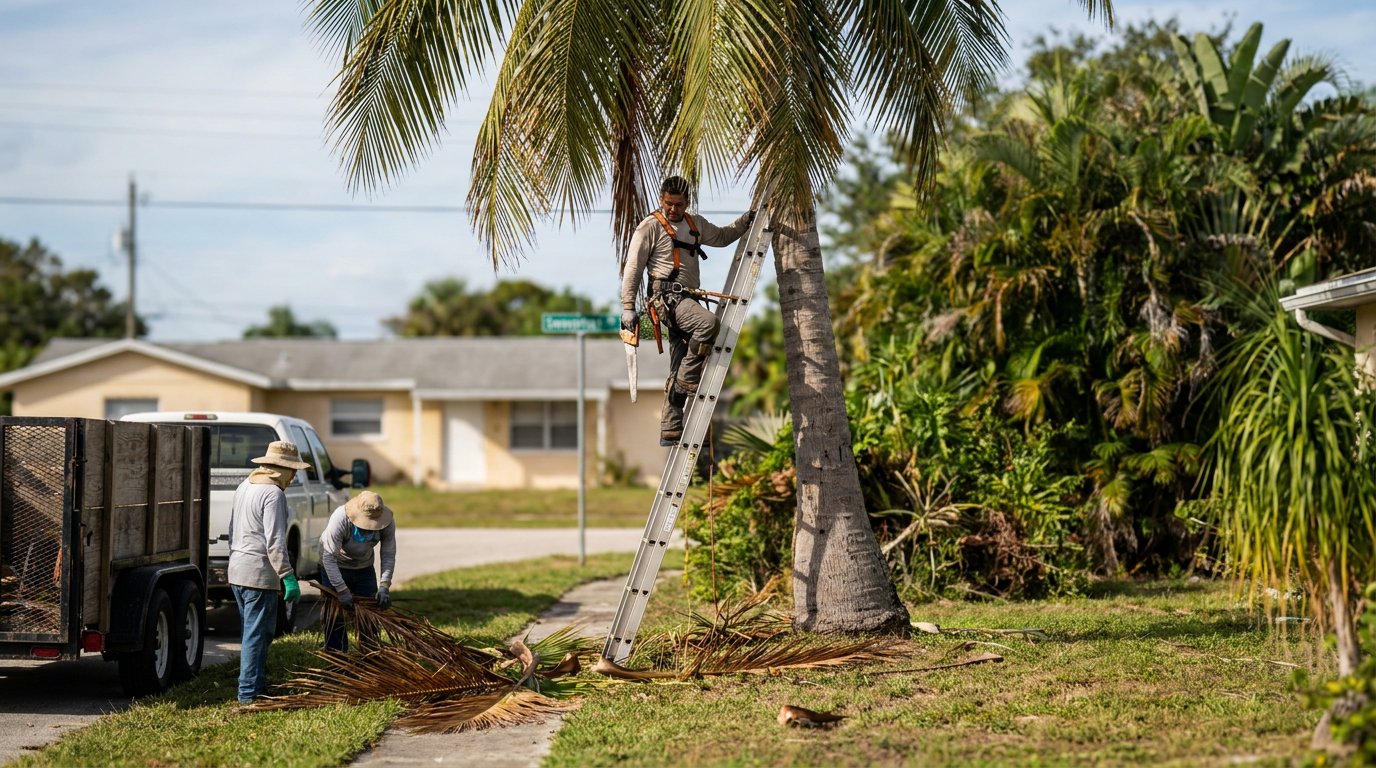
Optimal Timing for Trimming Palm Trees in Florida
Tree Trimming
Understanding Palm Tree Growth Cycles in Florida
Florida’s unique subtropical and tropical climate creates specific growth patterns for its iconic palm trees. Unlike deciduous trees, most palms maintain their foliage year-round but still have distinct active and dormant growth phases. Understanding these cycles is fundamental to determining the best time for trimming. Generally, palms experience their most vigorous growth during the warm, rainy season from late spring through early fall. This period, typically from April to September, is when the tree is actively producing new fronds and expanding its root system. Trimming during this high-growth phase can be beneficial as the palm can recover more quickly, but it must be done with careful consideration to avoid over-pruning and stressing the tree during a critical energy-expending period.
The Best Time of Year for Palm Tree Trimming
The consensus among Florida arborists and horticultural experts is that the ideal window for trimming most species of palm trees is during the warmer months, but with a crucial caveat: avoid the peak of hurricane season. The late spring, specifically April and May, is often considered optimal. This timing allows the tree to recover fully from any pruning stress before the intense heat and storms of summer arrive. Furthermore, trimming in spring ensures that the palm is looking its best and is structurally sound for the demanding hurricane season. Trimming too late in the fall or winter is generally discouraged, as cooler temperatures can slow the healing process, leaving wounds more susceptible to disease and insect infestation.
Why Avoiding Hurricane Season is Critical
Hurricane season in Florida officially runs from June 1st to November 30th. Trimming a palm tree immediately before or during this period can be detrimental. A freshly trimmed palm has open wounds that are vulnerable to being torn further by high winds, which can lead to more significant damage or even topple the tree. Furthermore, heavy rains can introduce water-borne pathogens into these fresh cuts. It is far safer to have trimming completed well before the season’s peak (typically August and September) so the tree has ample time to seal its wounds and strengthen its new growth.
Signs Your Palm Tree Needs Trimming
While timing is important, it’s equally crucial to trim based on the tree’s condition rather than a rigid calendar schedule. Look for these key indicators that your palm requires attention:
- Brown or Dead Fronds: These are the primary candidates for removal. However, it’s a myth that all brown fronds should be removed immediately; a few can help protect the trunk.
- Heavy Seed Pods or Fruit Clusters: These can be heavy and place undue stress on the tree, especially before a storm. Their removal is often recommended.
- Fronds Obstructing Views or Pathways: For safety and aesthetic reasons, fronds that hang over roofs, driveways, or sidewalks should be trimmed back.
- Signs of Disease or Pest Infestation: If you notice discoloration, oozing, or significant insect activity, immediate trimming of affected areas may be necessary to save the tree, regardless of the season.
- Storm Damage: After any severe weather event, inspect your palms for broken, hanging, or damaged fronds that need to be cleaned up to prevent further injury to the tree or property.
How Often Should You Trim Florida Palms?
A common mistake Florida homeowners make is over-trimming their palms. The “hurricane cut” or “rooster tail” method, which removes too many healthy green fronds, is highly damaging and should be avoided. Most healthy palm trees only need trimming once or twice a year. Some slower-growing species may only need attention every two to three years. The goal is maintenance, not deforestation. A good rule of thumb is to never remove more fronds than the palm can regrow in a year. For most palms, this means you should never cut down to the 9-o’clock or 3-o’clock position; the canopy should remain full and rounded. The expertise of a professional service like Mike Herronen’s Tree Service can be invaluable in assessing the specific needs of your palm species.
Dangers of Improper Trimming Timing
Trimming at the wrong time of year can have serious consequences for your palm’s health and longevity.
- Increased Stress: Trimming during a dormant period or during extreme heat puts immense stress on the tree, diverting energy needed for root and growth development to healing wounds.
- Vulnerability to Pests and Disease: Open wounds are an invitation for pests like palm weevils and diseases like Ganoderma butt rot. Incorrect timing can expose these wounds during peak activity periods for these threats.
- Reduced Cold Hardiness: A palm trimmed too late in the year (e.g., late fall) enters the winter months in a weakened state, making it far more susceptible to damage from rare Florida freezes.
- Poor Aesthetic Recovery: The tree may struggle to produce new fronds to replace those removed, resulting in a thin, unhealthy-looking canopy for an extended period.
Species-Specific Trimming Considerations
Not all palms are created equal, and different species can have slightly different optimal timings.
Queen Palms
Queen palms are fast growers and can often handle more frequent trimming. Focus on removing dead fronds and heavy seed pods. Spring trimming is ideal.
Sabal Palms (Cabbage Palms)
Florida’s state tree is slow-growing and very resilient. It often requires less frequent trimming. Avoid over-pruning; typically, only the completely brown “boots” and dead fronds need removal.
Canary Island Date Palms
These large palms require careful pruning due to their massive, heavy fronds and sharp spines. Their large fruit clusters should be removed before they fall. Late spring is best.
Pyramid Palms
More sensitive to cold, these should only be trimmed during the warmest part of the year to ensure swift recovery and maintain winter hardiness.
The Importance of Professional Trimming
Trimming palm trees, especially larger specimens, is dangerous work that requires specialized knowledge and equipment. Professionals understand how to make precise cuts that promote healthy healing without damaging the tree’s vital “heart” or growth point. They can also accurately identify diseases and pest issues that an untrained eye might miss. For the health of your valuable landscaping and your own safety, enlisting professional help is strongly recommended.
Conclusion: Timing is Everything
Properly timing your palm tree trimming is not just a matter of aesthetics; it is a critical component of tree health and safety. By aiming for the late spring window, avoiding hurricane season, and trimming based on the tree’s condition rather than a arbitrary schedule, you can ensure your Florida palms remain healthy, beautiful, and storm-resistant for years to come. If you are unsure about the needs of your specific trees, seeking advice from a local expert is always the best course of action.