
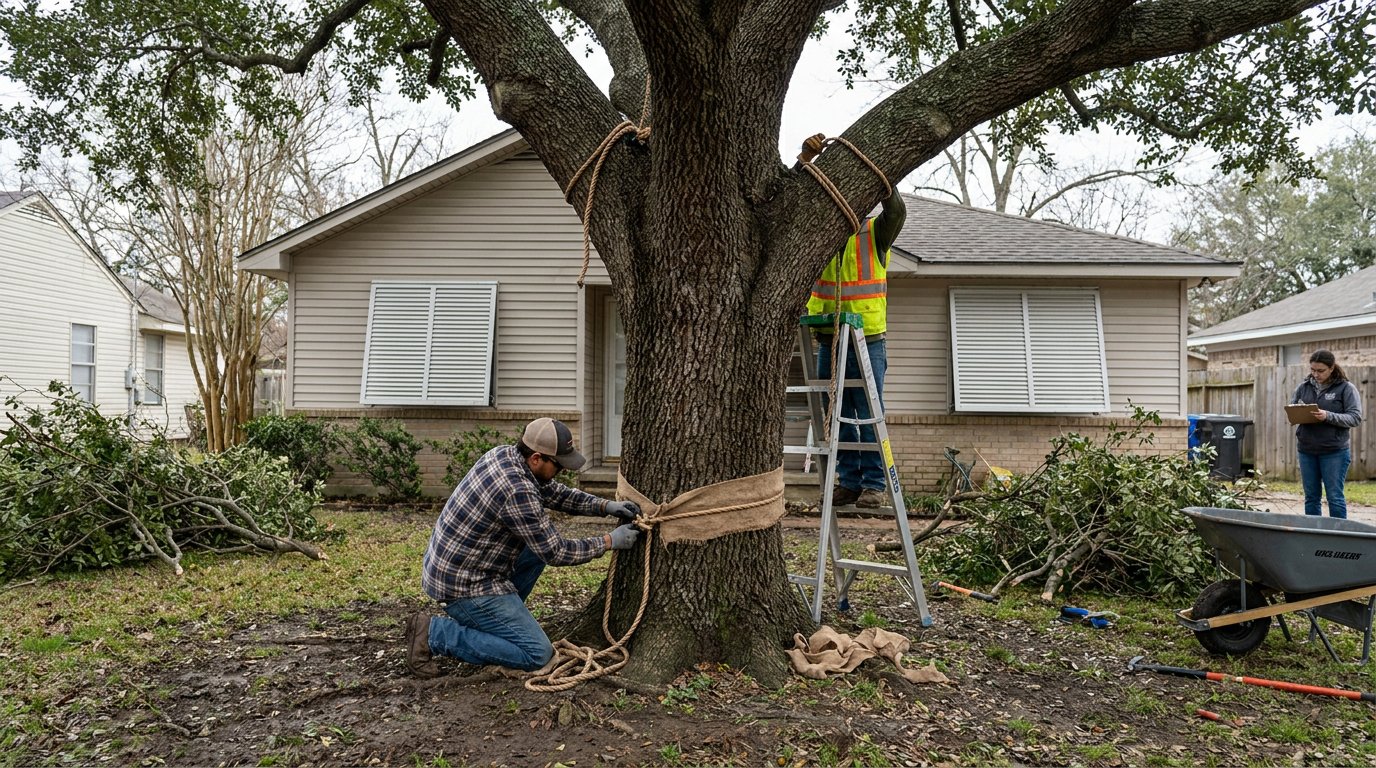
Essential Steps to Protect Trees from Hurricane Damage
Hurricane Prep
Hurricane season brings powerful winds and heavy rains that can turn even the healthiest trees into hazards. Proper preparation not only safeguards your property but also preserves your trees’ longevity. With years of experience helping homeowners fortify their landscapes, Mike Herronen’s Tree Service shares practical, actionable advice to minimize risks and protect your green assets.
Why Tree Preparation Matters
Hurricanes can generate winds exceeding 150 mph, causing trees to uproot, break, or drop heavy limbs. Unprepared trees may damage homes, vehicles, power lines, and pose serious safety threats. Proactive care reduces these risks significantly, potentially saving you thousands in repair costs and preserving your landscape’s value.
Assessing Tree Health and Risk
Begin by evaluating which trees need attention. Healthy trees withstand storms better, but weakened or compromised specimens require immediate action.
Signs of a Vulnerable Tree
- Visible decay, cavities, or fungal growth on trunk or major limbs
- Cracks in trunk or branch unions
- Leaning significantly or showing recent root exposure
- Dead or hanging branches in the canopy
- Previous damage from storms or improper pruning
Professional Assessment Value
While homeowners can spot obvious issues, arborists identify subtle weaknesses. Consider a professional evaluation for large trees or those near structures. Local experts like those at Mike Herronen’s Tree Service understand regional species and storm patterns, providing tailored risk assessments.
Pruning Strategies for Hurricane Resistance
Proper pruning reduces wind resistance and removes weak branches. Timing matters—complete pruning well before hurricane season arrives.
Structural Pruning Techniques
- Thin the canopy to allow wind passage rather than creating a solid sail
- Remove crossing or rubbing branches that create weak points
- Eliminate co-dominant stems (V-shaped junctions) which often split
- Raise lower limbs to prevent ground contact during swaying
What Not to Do
Avoid topping trees—this practice stimulates weak growth and increases failure risk. Also refrain from lion’s-tailing (removing too many inner branches), which concentrates weight at branch ends.
Strengthening Root Systems
Healthy roots anchor trees during storms. While you can’t change root architecture quickly, you can improve conditions.
Root Care Practices
- Apply 2-3 inches of organic mulch around the drip line (keep away from trunk)
- Avoid soil compaction from vehicles or heavy foot traffic
- Address drainage issues that cause waterlogged soil
- Consider gentle fertilization if soil tests indicate deficiencies
Recognizing Root Problems
Look for mushrooms near the base, heaving soil, or recent construction damage. These often indicate root issues requiring professional intervention.
Protecting Young and Newly Planted Trees
Immature trees need special attention as their root systems aren’t fully established.
Staking Guidelines
- Use flexible ties that allow some movement
- Place stakes perpendicular to prevailing winds
- Remove stakes after one growing season to prevent girdling
- Check ties regularly for tension adjustments
Additional Protection Methods
For very small trees, temporary windbreaks or burlap wraps provide protection. Ensure proper watering throughout the dry season so trees enter hurricane season without drought stress.
Emergency Preparedness Measures
When a storm forecast appears, take these immediate actions:
Pre-Storm Checklist
- Remove all hanging deadwood
- Clear debris that could become projectiles
- Take photographs of your landscape for insurance purposes
- Identify which trees might need last-minute professional attention
When to Call Professionals
If you identify large dead branches, significant cracks, or unstable trees, contact an arborist immediately. Emergency services fill quickly as storms approach.
Post-Storm Tree Care
After the hurricane passes, carefully assess damage before taking action.
Safety First Inspection
- Look for hanging branches that might fall
- Check for downed power lines near trees
- Examine trunks for splitting or leaning
- Note exposed roots or soil lifting
Recovery Pruning
Make clean cuts to remove broken branches, but avoid over-pruning stressed trees. Gradually restore canopy balance over subsequent seasons.
Long-Term Hurricane Resilience Planning
Build storm resistance into your ongoing tree care routine.
Smart Species Selection
When planting new trees, choose species known for wind resistance in your area. Live oaks, sabal palms, and southern magnolias often perform well in hurricane zones.
Consistent Maintenance Schedule
Regular pruning every 2-3 years maintains strong structure. Monitor soil health and address issues promptly to support root development.
When Tree Removal Becomes Necessary
Sometimes preparation isn’t enough—high-risk trees require removal before they cause damage.
Recognizing Unsalvageable Trees
- Extensive trunk decay compromising structural integrity
- Severe leaning with root lift on the opposite side
- Multiple large dead branches throughout canopy
- Location that puts homes or utilities at inevitable risk
Professional Removal Considerations
Tree removal near structures requires expertise and equipment. Always hire insured professionals who follow safety standards.
Conclusion: Start Preparing Now
Hurricane preparation isn’t a single task but an ongoing commitment to tree health. Beginning early gives you time to address issues properly rather than making rushed decisions as storms approach. Regular care creates trees that not only survive hurricanes but continue enhancing your property for years to come.
For personalized advice specific to your trees and location, consider consulting with a certified arborist. Early assessment provides peace of mind and ensures your landscape remains both beautiful and safe through hurricane season and beyond.