
Is Stump Grinding Worth the Investment?
Stump Grinding
Understanding Stump Grinding and Its Alternatives
After a tree is removed, the remaining stump can become a significant eyesore and a practical problem for your property. Many homeowners grapple with the decision of whether to invest in professional stump grinding services or explore alternative solutions. This comprehensive guide will delve into the key considerations, benefits, and potential drawbacks to help you determine if stump grinding is truly worth it for your specific situation.
What Exactly Is Stump Grinding?
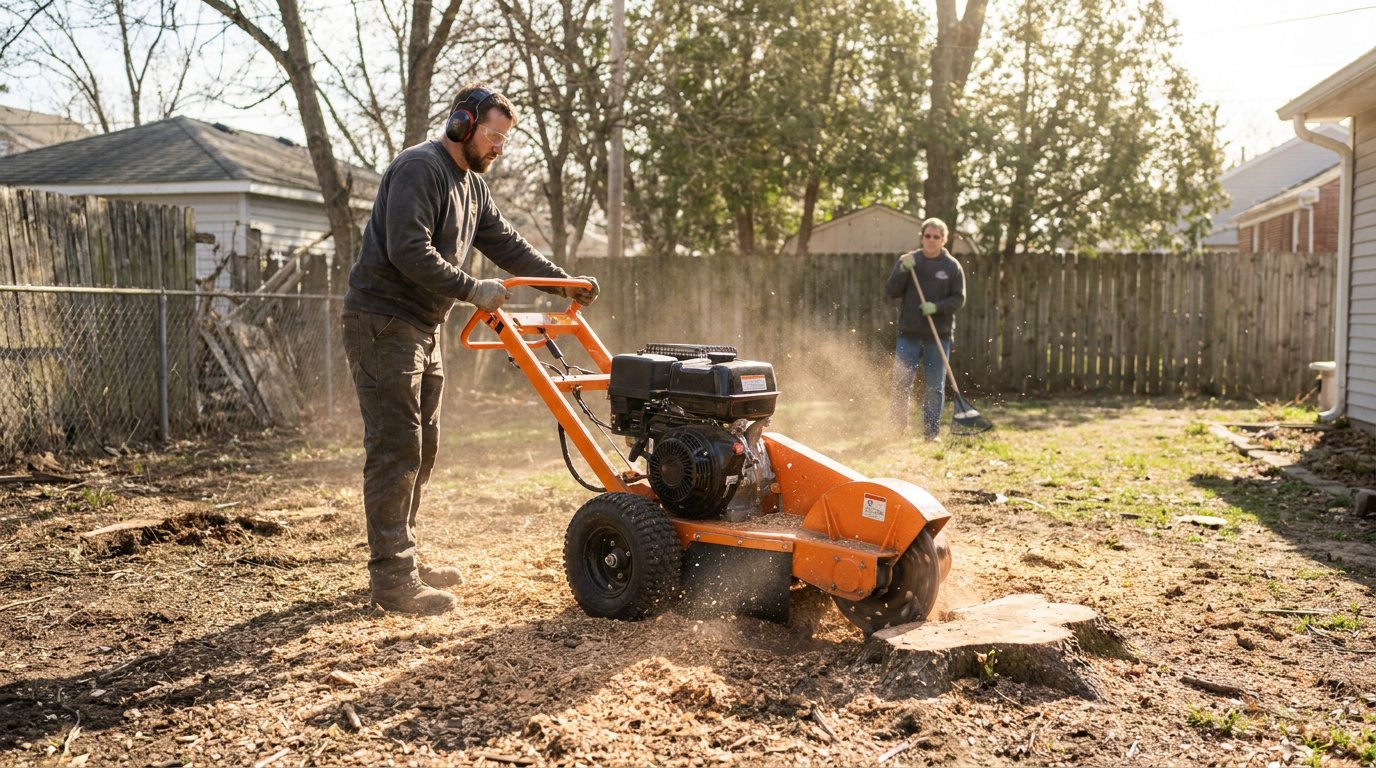
Stump grinding is a mechanical process that uses a specialized machine, called a stump grinder, to chip away at the tree stump and its major roots just below the ground surface. Unlike complete stump removal, which involves excavating the entire root ball, grinding is less invasive and significantly faster. The grinder’s rotating carbide-tipped teeth pulverize the wood into small chips, leaving you with a pile of mulch and a hole where the stump once was.
Common Alternatives to Grinding
Before deciding, it’s wise to consider the other methods for dealing with a leftover stump. Each comes with its own set of challenges and timeframes.
- Natural Decay: Letting the stump rot naturally is the cheapest option but can take many years, even a decade or more, for the process to complete.
- Chemical Accelerants: Using potassium nitrate or other chemicals can speed up decomposition, but it still takes months and introduces chemicals into your soil.
- Manual Removal: Digging out a stump by hand with axes, shovels, and saws is incredibly labor-intensive and is only feasible for very small stumps.
- Burning: In some areas, burning a stump is an option, but it requires permits, constant monitoring, and carries a high risk of fire spreading.
The Compelling Benefits of Professional Stump Grinding
Opting for professional stump grinding offers a multitude of advantages that often outweigh the initial cost. Here’s why it is frequently considered the best course of action.
Enhances Property Aesthetics and Usability
An old tree stump can be a major detractor from your landscape’s beauty. It interrupts the smooth, green expanse of a lawn and makes mowing and landscaping difficult. Grinding it down removes this obstacle instantly, restoring a clean, uniform look to your yard and creating usable space for a new garden, patio, or playset.
Eliminates Safety Hazards
Stumps, especially those low to the ground, are tripping hazards for children, guests, and even yourself. They can also pose a risk when mowing the lawn, as hitting one with a mower blade can cause significant damage to your equipment or send dangerous projectiles flying. Removing the stump creates a safer environment for everyone.
Prevents Pest Infestations
Decaying wood is a magnet for unwanted pests. Termites, carpenter ants, beetles, and other wood-boring insects are attracted to old stumps. From there, they can easily find their way to your home, other healthy trees, or wooden structures like decks and sheds. Grinding the stump eliminates this potential breeding ground, protecting your property from costly infestations.
Stops Regrowth and Protects Surrounding Plants
Many tree species are tenacious and will attempt to regrow from the leftover stump, sending up numerous suckers or shoots. These not only look unsightly but also drain energy from the remaining root system. This regrowth can also compete with nearby plants and grass for water and nutrients. Grinding ensures the tree is completely defeated and won’t come back to haunt your garden.
Improves Property Value
A well-maintained landscape is a key factor in curb appeal and overall property value. A visible stump signals neglect and can be a red flag for potential buyers. A clean, stump-free yard appears more spacious, cared for, and move-in ready, making your property more attractive on the market.
Potential Drawbacks and Considerations
While the benefits are strong, it’s important to approach the decision with a clear view of the potential downsides.
The Upfront Cost
The most common hesitation regarding stump grinding is the cost. It is an additional expense on top of the tree removal itself. Prices can vary based on the stump’s diameter, species, location, and the number of stumps. However, when weighed against the years of waiting, constant maintenance of suckers, and potential pest control bills from alternatives, the one-time investment often proves more economical in the long run.
What to Do With the Leftover Wood Chips
The grinding process produces a large amount of wood chips. While this is an excellent source of organic mulch, you will need to deal with the pile. It can be used in garden beds, spread as a natural walkway material, added to a compost pile, or, if unwanted, need to be disposed of, which might incur an additional fee.
Limited Root Removal
It is crucial to understand that stump grinding only removes the main stump and the large roots immediately attached to it. The vast network of smaller roots will remain in the ground and will decompose naturally over time. This is generally not a problem for future landscaping, but it’s something to be aware of if you plan to dig or build immediately in the same area.
Making the Decision: Key Questions to Ask
To decide if stump grinding is worth it for you, ask yourself these practical questions.
- Where is the stump located? Is it in a high-traffic area or central to your landscape?
- Do I have plans for the space? Do I want to plant new grass, build something, or install a garden?
- Am I concerned about pests like termites or ants?
- Is the tree species known for vigorous regrowth?
- What is my budget for landscape maintenance this year?
For most homeowners, the answer is a resounding yes. The immediate improvement in safety, aesthetics, and peace of mind provides value that far exceeds the cost. For expert advice tailored to your specific property, consider consulting with a local specialist like Mike Herronen’s Tree Service, which can provide a clear assessment and quote.
Conclusion: A Clear-Cut Case for Value
While it is possible to leave a stump to decay naturally, the process is measured in years, not days. The inconveniences and risks it presents during that long period—safety hazards, pest attractants, and regrowth issues—make it a persistent problem. Stump grinding offers a fast, efficient, and permanent solution that enhances the beauty, safety, and value of your property. For the vast majority of homeowners, the long-term benefits and regained peace of mind make professional stump grinding not just worthwhile, but a smart investment in their property’s future.