Recognizing Hazardous Trees That Require Removal
Tree Removal
Introduction to Tree Hazards
Trees are valuable assets to any property, providing shade, beauty, and environmental benefits. However, when a tree becomes hazardous, it can pose significant risks to people, buildings, and other plants. Identifying dangerous trees early is crucial for maintaining safety and preventing costly damage. This guide will help you recognize the key signs that a tree may be hazardous and in need of professional removal.
Visible Signs of Tree Decay
Decay is one of the most common indicators that a tree may be unsafe. While some decay is natural, extensive rot can compromise the tree’s structural integrity. Look for these specific symptoms:
Fungal Growth and Mushrooms
The presence of fungi, such as mushrooms or conks, on or around the tree trunk often indicates internal decay. Fungi feed on decaying wood, and their appearance can signal that the tree’s core is weakened. If you notice fungal growth, especially near the base, it’s a strong sign the tree might be hazardous.
Cracks and Splits in the Trunk
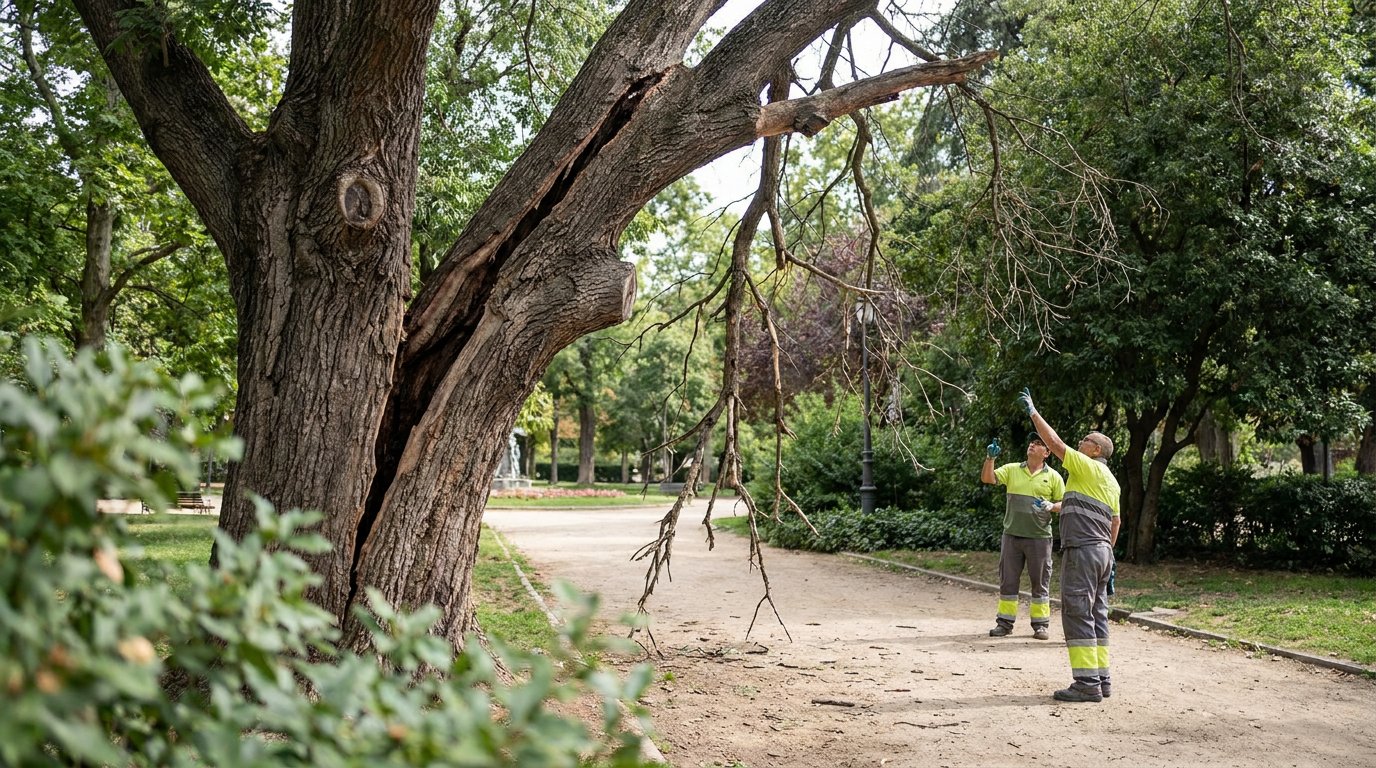
Deep cracks or vertical splits in the trunk can suggest that the tree is under stress and may fail. These defects often result from storms, improper growth, or internal decay. Large cracks can lead to sudden breakage, making the tree a potential danger.
Cavities and Hollow Areas
While not all cavities are immediately dangerous, large hollow sections can significantly reduce a tree’s strength. If more than one-third of the trunk is hollow, the tree is likely unstable and should be assessed by a professional.
Structural Problems and Instability
Even if a tree appears healthy, certain structural issues can make it hazardous. These problems often develop over time and may not be immediately obvious to an untrained eye.
Leaning Trunk
Some trees naturally lean, but a sudden or increasing lean can indicate root failure or soil instability. If a tree has recently started leaning, especially after a storm, it may be at risk of falling.
Weak Branch Unions
Branches that grow too closely together may form weak unions, where bark becomes embedded between them. These areas are prone to splitting, especially under the weight of snow, ice, or wind.
Root Damage
Roots are critical for stability, and damage to them can make a tree hazardous. Signs of root issues include heaving soil, visible decayed roots, or fungi growing near the base. Construction work, soil compaction, or disease can all harm roots.
Disease and Pest Infestations
Diseases and pests can weaken a tree from the inside out, making it susceptible to failure. Early detection is key to managing these issues.
Unusual Leaf Discoloration or Drop
While seasonal leaf change is normal, off-season discoloration, wilting, or premature leaf drop can indicate disease. Pests like borers or beetles may also leave visible holes or sawdust-like frass on the bark.
Cankers and Dead Branches
Cankers—sunken, dead areas on the bark—often result from fungal or bacterial infections. A high number of dead branches, especially in the upper canopy (a condition called “crown dieback”), can also signal a seriously compromised tree.
Environmental and External Factors
Sometimes, external conditions contribute to a tree becoming hazardous. These factors can accelerate decline or create immediate dangers.
Proximity to Structures or Utilities
Trees growing too close to homes, power lines, or other structures may need removal if they show any signs of weakness. Even healthy trees can cause damage if they fall, so consider location when assessing risk.
Storm Damage
After severe weather, inspect trees for broken limbs, split trunks, or uprooting. Partially fallen trees or hanging branches (called “widowmakers”) are especially dangerous and require prompt attention.
Soil Erosion or Changes
Erosion can expose roots, while changes in soil grade or water drainage can affect a tree’s stability. If the ground around a tree has shifted significantly, the tree may no longer be secure.
When to Call a Professional
While homeowners can spot many warning signs, evaluating tree hazards accurately requires expertise. Certified arborists have the training to assess risk and recommend appropriate actions, whether it’s pruning, cabling, or removal.
Why Professional Assessment Matters
Trees are complex organisms, and what seems hazardous might be manageable, while what appears minor could be critical. Professionals use tools like resistograph drills to measure decay and evaluate structural soundness internally.
Mike Herronen’s Tree Service: Your Local Experts
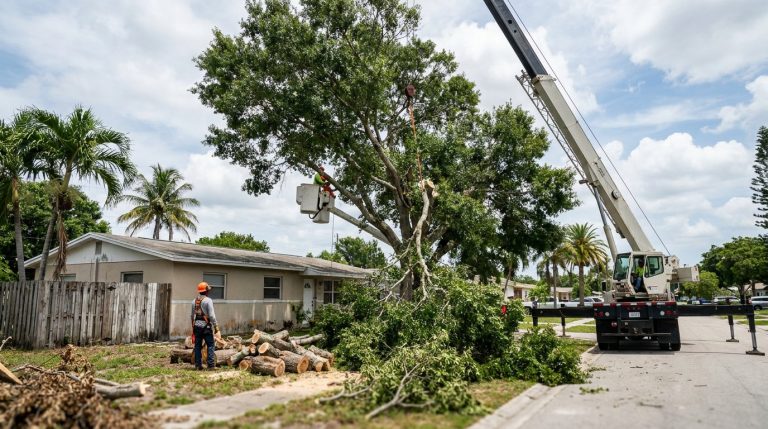
If you’re unsure about a tree on your property, reaching out to a trusted local service like Mike Herronen’s Tree Service can provide peace of mind. Their team offers thorough assessments and safe, efficient removal when necessary, helping you protect your property and loved ones.
Conclusion: Prioritizing Safety and Tree Health
Recognizing hazardous trees is an essential part of property maintenance. Regular inspections, especially after extreme weather, can help you identify risks early. When in doubt, always consult a professional to ensure your trees are managed safely and responsibly. Taking proactive steps not only safeguards your home but also preserves the health and beauty of your landscape for years to come.